
platelets-clotting-healing
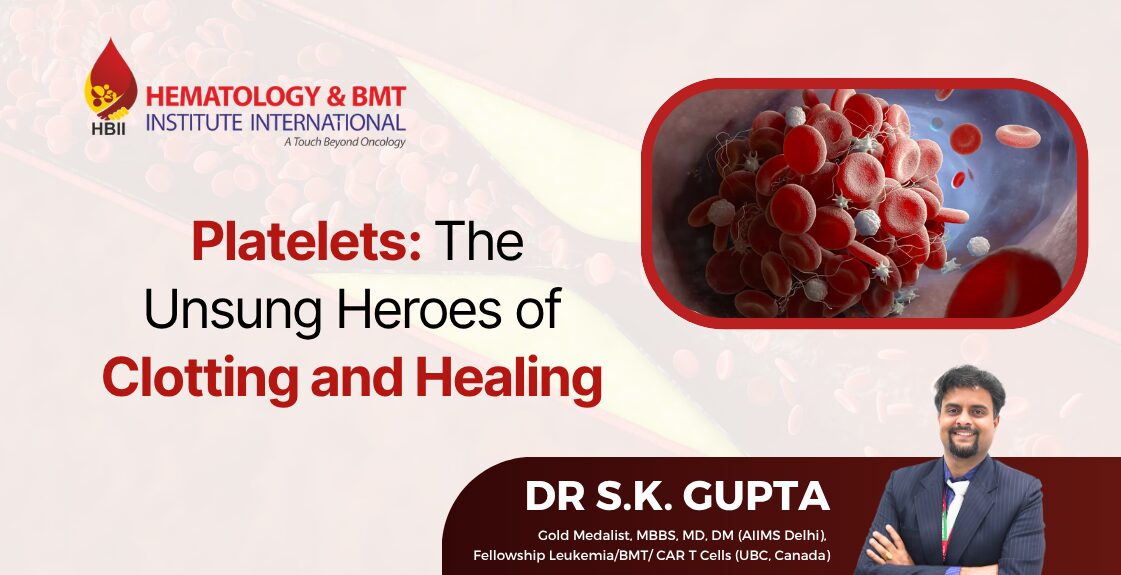
When you get a small cut on your hand, you probably just wash it and
forget about it. But what actually stops the bleeding? That silent
work is done by Platelets, tiny cell fragments in your blood
that rarely get the attention they deserve.
Platelets are like the first responders at an accident site.
The moment they sense a blood vessel injury, they rush to the spot,
stick together, and form a plug to stop bleeding. Without them, even
a small injury could turn dangerous.
But their role doesn’t end with clotting. Platelets also release special signals that help wounds heal faster and tissues recover. In many advanced treatments today, like PRP (Platelet Rich Plasma) therapy, doctors actually use the healing power of platelets to repair tissues and promote recovery.
When platelet counts drop, as happens after chemotherapy, bone marrow disorders, or certain viral infections like dengue, patients may notice:
- Easy bruising
- Bleeding gums or nosebleeds
- Red or purple spots on the skin
- Prolonged bleeding from small cuts
This is why platelet counts are closely monitored in patients with blood disorders or those undergoing cancer treatment.
I often explain it like this: if your WBCs are your soldiers, then
your lifestyle is their training ground. Eating balanced meals,
resting well, reducing stress, and following medical advice are like
giving your army the tools to fight stronger battles.
I often tell patients: if red blood cells are the lifeline and white
blood cells are the army, then platelets are the
repair engineers. They may be small, but without them, the
body’s healing system would simply collapse.
Next time you recover from a cut or injury, remember the unsung
heroes quietly at work — your platelets.

About the Doctor
Dr. S K Gupta is a Bone Marrow Transplant Specialist in Hyderabad.