
iron-deficiency-vs-anemia-difference
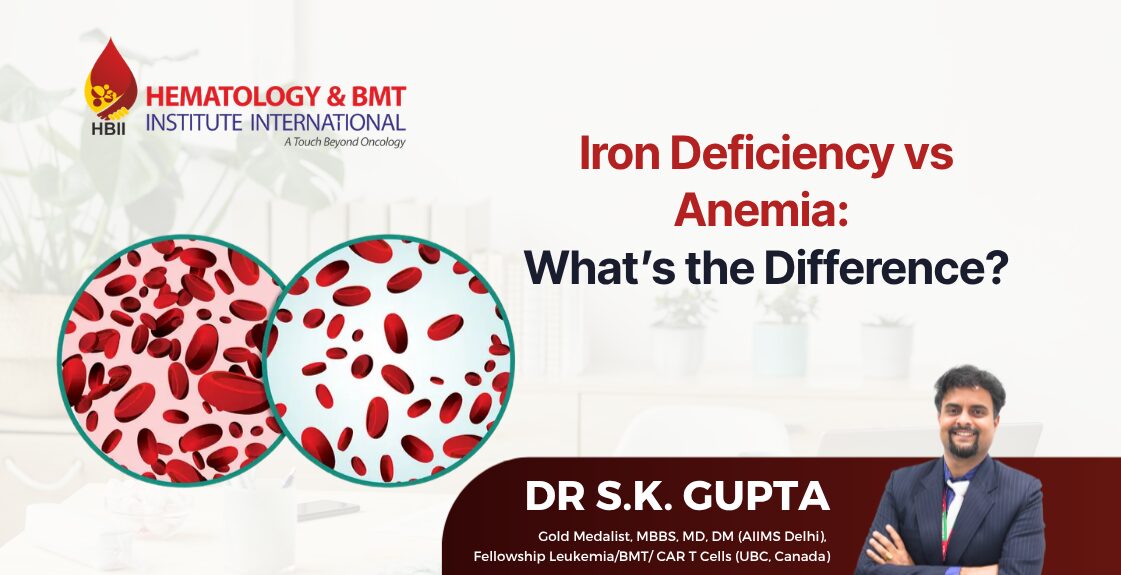
Many people use the terms “iron deficiency” and “anemia”
interchangeably. However, they are not exactly the same.
Understanding the difference helps in choosing the correct treatment
What Is Iron Deficiency?
Iron deficiency occurs when the body does not have enough iron to produce hemoglobin efficiently. Hemoglobin is the protein in red blood cells that carries oxygen.
Iron deficiency may exist even before anemia develops.
Common causes include:
- Poor dietary intake
- Heavy menstrual bleeding
- Chronic blood loss
- Pregnancy
- Gastrointestinal disorders
Symptoms may include fatigue, hair fall, pale skin, brittle nails, and reduced concentration.
What Is Anemia?
Anemia refers to a reduced level of hemoglobin in the blood. It can be caused by iron deficiency, but not always.
Other causes of anemia include:
- Vitamin B12 deficiency
- Folate deficiency
- Chronic diseases
- Bone marrow disorders
- Genetic conditions
So, all iron deficiency can lead to anemia, but not all anemia is due to iron deficiency
Why Correct Diagnosis Is Important
Treating every anemia with iron supplements is not appropriate. If anemia is due to B12 deficiency or bone marrow disease, iron will not help and may delay proper treatment.
A detailed blood evaluation helps identify:
- Hemoglobin levels
- Iron stores
- Vitamin levels
- Red blood cell characteristics
Correct diagnosis ensures correct treatment.

About the Doctor
Dr. S K Gupta is a Bone Marrow Transplant Specialist in Hyderabad.