
who-needs-bone-marrow-transplant
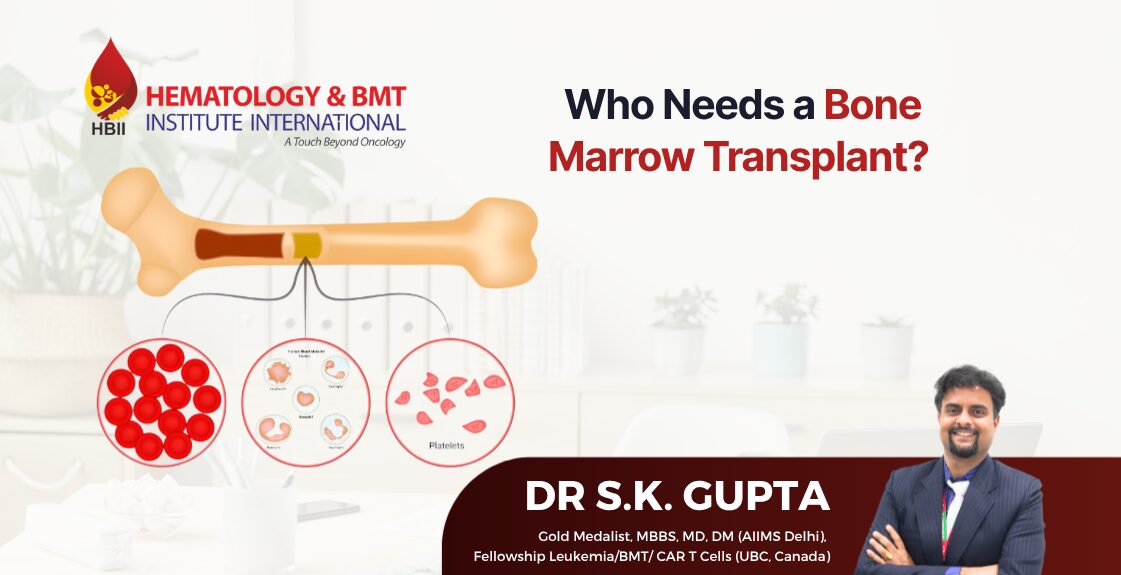
A bone marrow transplant, also known as stem cell transplant, is a
specialized treatment used for certain serious blood disorders. Many
people associate it only with cancer, but its role is much broader.
Bone marrow is the soft tissue inside bones where blood cells are
produced. When this factory of blood cell production is damaged or
diseased, transplant may be required.
Conditions That May Require Bone Marrow Transplant
A transplant may be recommended in:
- Certain types of leukemia
- Lymphoma
- Multiple myeloma
- Aplastic anemia
- Thalassemia major
- Sickle cell disease
- Some immune system disorders
Types of Bone Marrow Transplant
There are two main types:
Autologous transplant
The patient’s own stem cells are
collected and later reinfused after high-dose treatment.
Allogeneic transplant
Stem cells are taken from a
matched donor, usually a sibling or a matched unrelated donor.
The choice depends on the disease type, patient condition, and overall health.
Is Transplant Always the First Option?
No. Bone marrow transplant is considered when:
- Standard treatment has failed
- The disease is high risk
- Long-term cure requires stem cell replacement
- The condition is life-threatening
Transplant decisions are complex and require detailed evaluation,
counseling, and preparation. With advances in technology and
supportive care, outcomes have significantly improved.
For many patients, bone marrow transplant offers a chance for
long-term remission or cure.

About the Doctor
Dr. S K Gupta is a Bone Marrow Transplant Specialist in Hyderabad.